


뉴스
뉴 GONOW 자유롭게 살아
뉴 GONOW 자유롭게 살아
"Cheap" and "value" get treated as the same thing far more often than they should be. Cheap describes a price. Value describes what that price actually buys — how well it holds up, how well it fits the intended use, and how much genuine benefit it delivers relative to what was spent. Conflating the two leads buyers in two equally unhelpful directions: dismissing every low-priced camper van as inherently risky, or assuming a low price automatically represents a good deal. The more useful question isn't whether a camper van is cheap, but whether it's actually a good value — and those are not always the same answer.
Not every low price is a red flag. There are entirely legitimate reasons a camper van can cost meaningfully less without sacrificing what actually matters. A simplified feature list is one of the most common — a vehicle built without premium finishes, advanced electronics, or elaborate customization options can cost considerably less while still delivering solid core performance, simply because it isn't paying for extras many buyers don't need in the first place.
Manufacturing efficiency plays a role as well. Standardized production processes and greater economies of scale allow some manufacturers to build reliable vehicles at a lower cost per unit, passing those savings on rather than pocketing them as margin. Distribution matters too — a manufacturer selling more directly, with fewer layers of distributors and dealers between production and the buyer, can offer a genuinely lower price without cutting anything from the vehicle itself. In all of these cases, "cheap" reflects an efficient cost structure, not a compromised product.
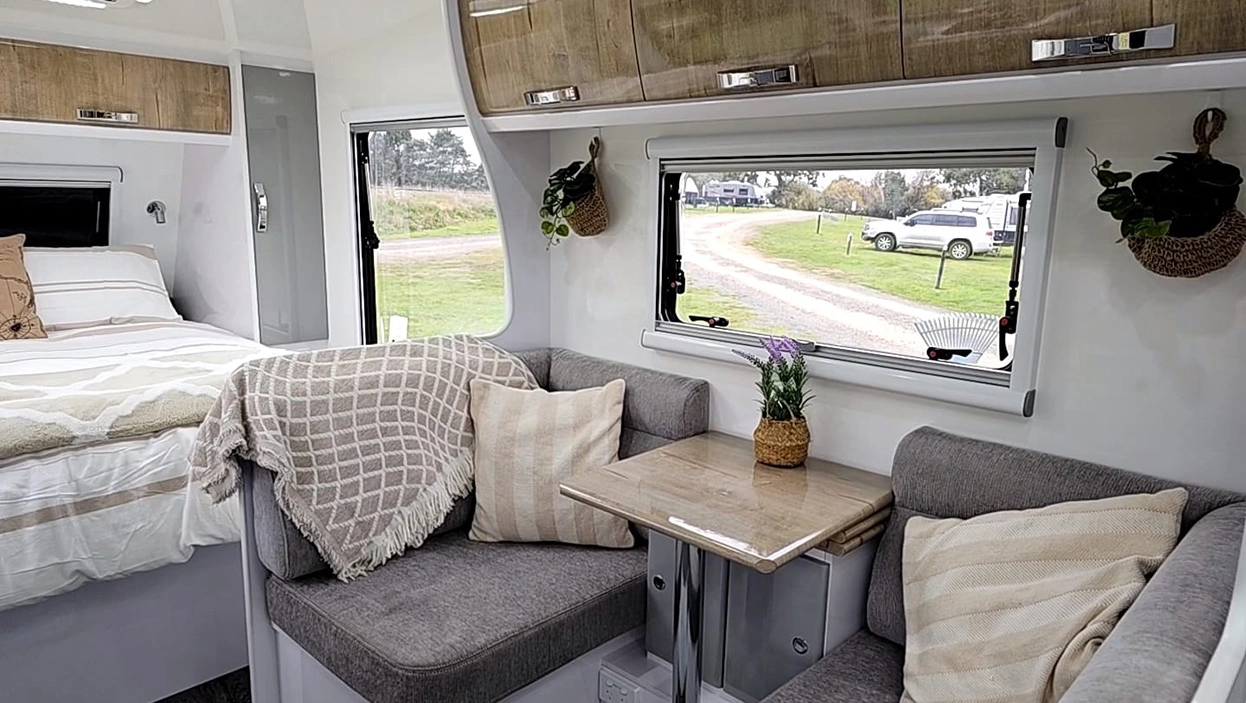
At the same time, low prices aren't automatically safe, and there are genuine risks buyers should watch for. The most important distinction is between simplified features and compromised structure. A van without premium trim is a reasonable trade-off; a van with a weaker chassis, inadequate weatherproofing, or substandard core materials is a different problem entirely — one that affects safety and longevity rather than just comfort.
Support after the sale deserves equal scrutiny. Some lower-priced vehicles come from manufacturers who've cut costs by scaling back warranty coverage, parts availability, or customer service infrastructure — savings that can turn into significant expense and frustration down the line. It's also worth looking past the sticker price entirely: a lower upfront cost paired with higher long-term maintenance or repair needs can end up costing more over the life of the vehicle than a slightly more expensive option with fewer future issues.
With these risks in mind, it's possible to build a clearer framework for evaluating whether a low-priced camper van is a smart choice. The first question is fit: does the price reflect features and capabilities that actually match how the vehicle will be used, or is the buyer paying for capacity and features that will go largely unused? A lower price that matches lower actual needs is efficient, not risky.
The second question is durability where it counts. Core components — chassis, structural materials, sealing, and essential systems — should hold up to real scrutiny regardless of what's been simplified elsewhere. Finally, transparency matters enormously. A manufacturer that can clearly explain where costs have been reduced and why gives buyers a much stronger basis for confidence than one whose low price comes with vague or evasive answers about how it was achieved.
A camper van doesn't have to be expensive to be a smart purchase, but a low price alone doesn't guarantee one either. The real determinant of value is whether the price reflects a deliberate, transparent set of trade-offs that match what the buyer actually needs — not a mystery about where the savings came from. Buyers who learn to evaluate camper vans this way, rather than by price point alone, consistently end up with better outcomes regardless of budget.
At New GoNow, we build our camper van offerings around this kind of transparency, working with dealers and fleet partners to make clear exactly what drives our pricing and where genuine value comes from — not competing on price alone. If you're looking for a manufacturing partner who can offer real value at the right price point for your market, we'd welcome the conversation.


